How bra styles differ
Most bras are built from the same parts: a band, two cups, straps, and often an underwire and a center panel called the gore. The types of bras differ in how they arrange those parts. A cup can be cut low or high, molded or seamed. The gore can be low or high. The straps can sit wide, close, or come off entirely.
Those choices change three things: how much coverage the bra gives, what neckline it suits, and how it shapes the bust. None of them changes the size system. A 34C is a 34C in every style, but each style may fit that 34C a little differently.
T-shirt bra
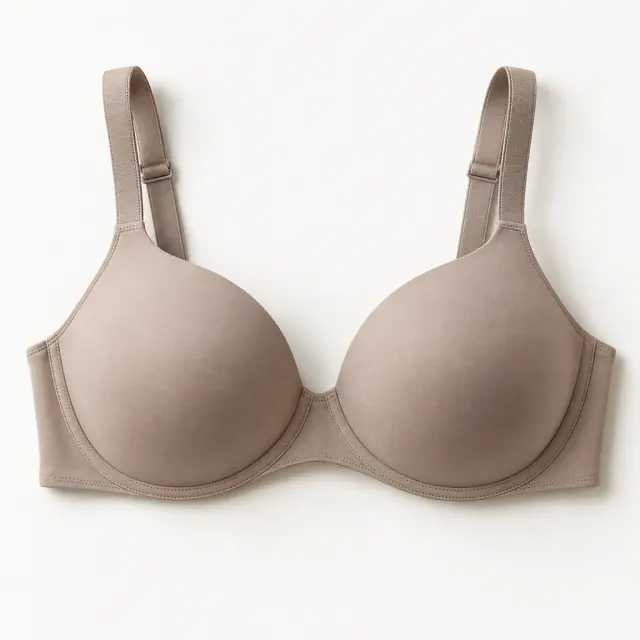
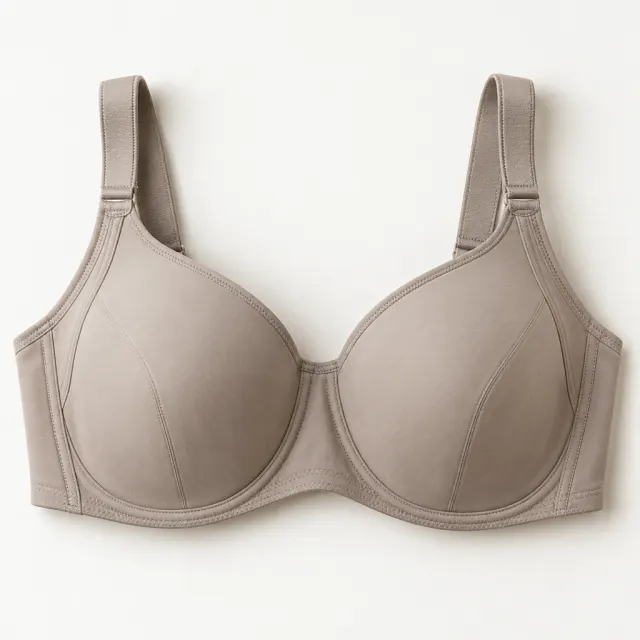
A t-shirt bra has smooth, molded cups with no visible stitching across them. It is designed to disappear under fitted tops and thin knitwear. It is the everyday workhorse for many people.
The molded cup has a fixed shape. That gives a clean line, but it also means the cup can gape if your shape differs from the mold. If a t-shirt bra always leaves a gap at the top, try a seamed style before changing size.
Balconette
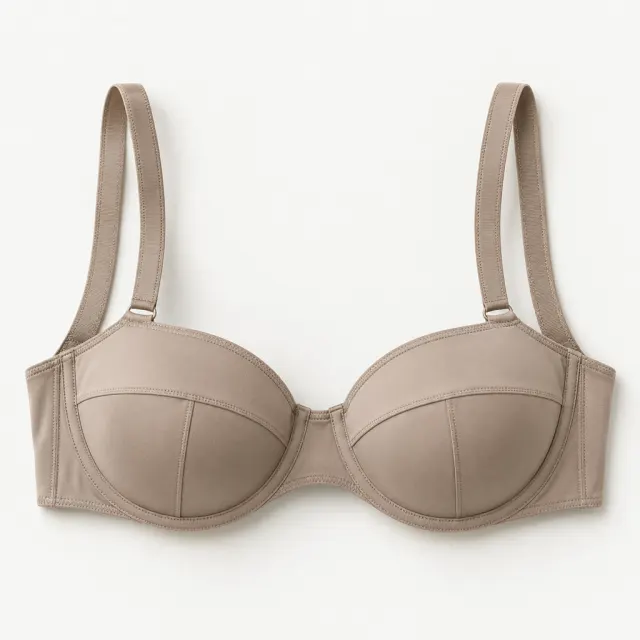
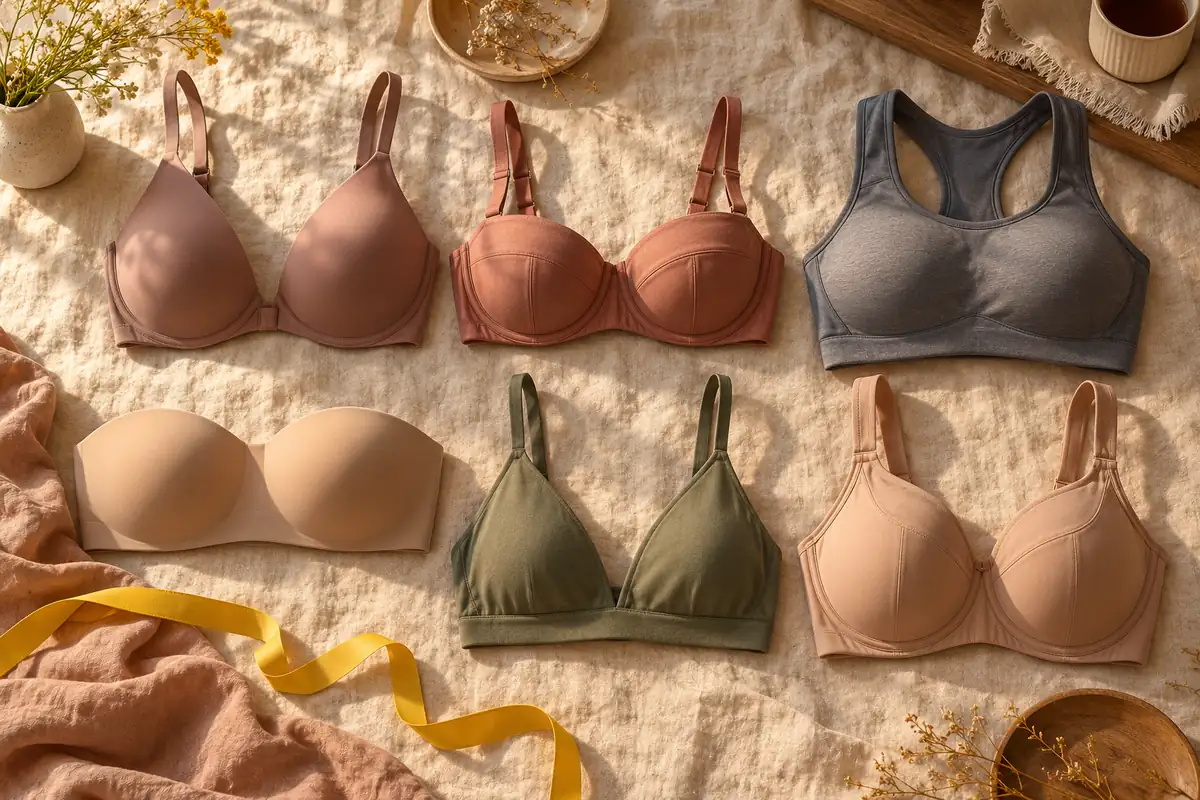
A balconette, sometimes called a balcony bra, has a lower, more horizontal cut across the top of the cups and straps set wider apart. It lifts the bust upward and gives a rounded shape.
It suits square, scoop and wide necklines. Many balconettes are seamed, which helps them fit a range of natural shapes.
Plunge
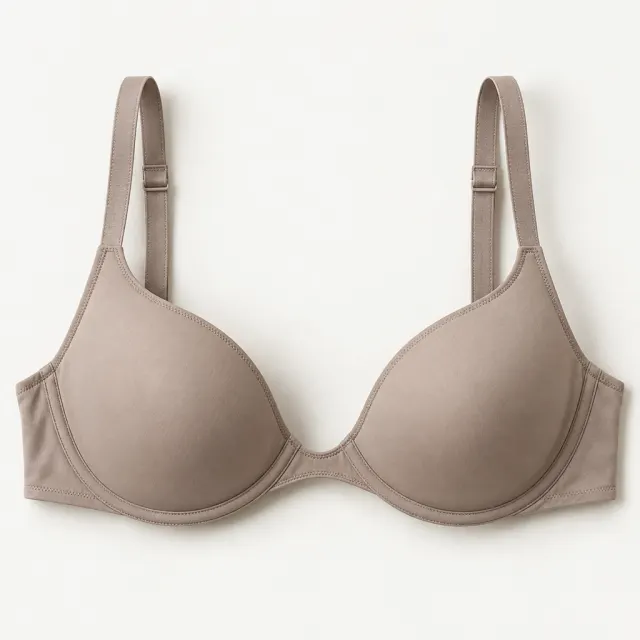
A plunge bra has a deep V at the center front and a low gore. It brings the bust inward and suits low V-neck tops and dresses.
Because the center sits low, the gore may not touch the breastbone on a fuller bust. That is part of the design, not a fault, as long as the bra stays put when you move.
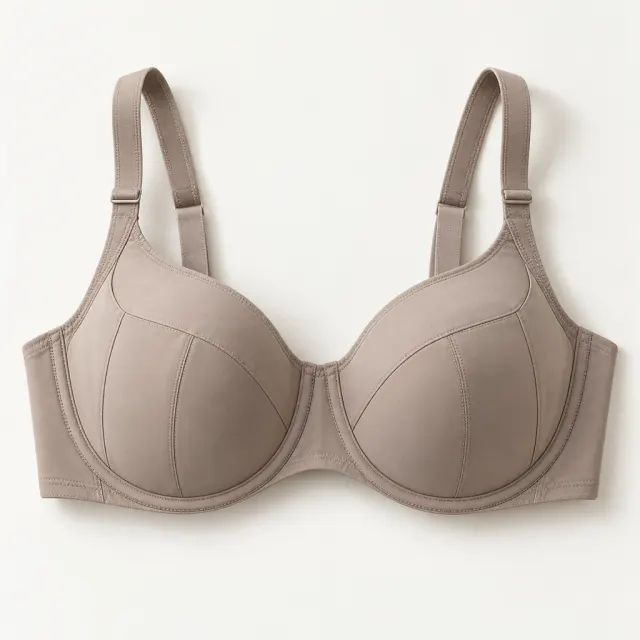
Full-cup
A full-cup bra covers the whole breast, with higher cups and often wider straps. It gives the most everyday support and the lowest risk of spill.
It is a strong choice for fuller busts, for long days, and for anyone who simply wants a bra to stay in place. It is less suited to low necklines.
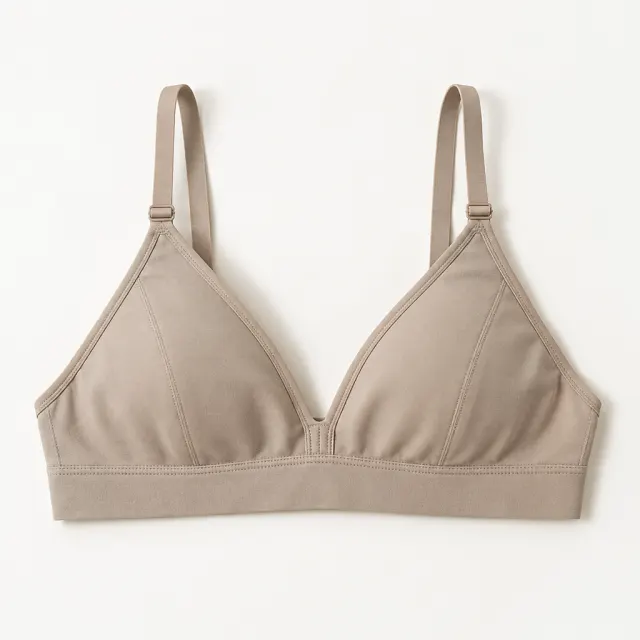
Bralette
A bralette is a soft, wireless bra, usually unlined or very lightly lined. Many are sized S, M and L rather than band and cup. The focus is comfort and ease, not lift.
Bralettes suit lounging, casual outfits and low-support days. They are also the most forgiving type of bra to buy for someone else, which is why they appear on every safe gift list on this site.
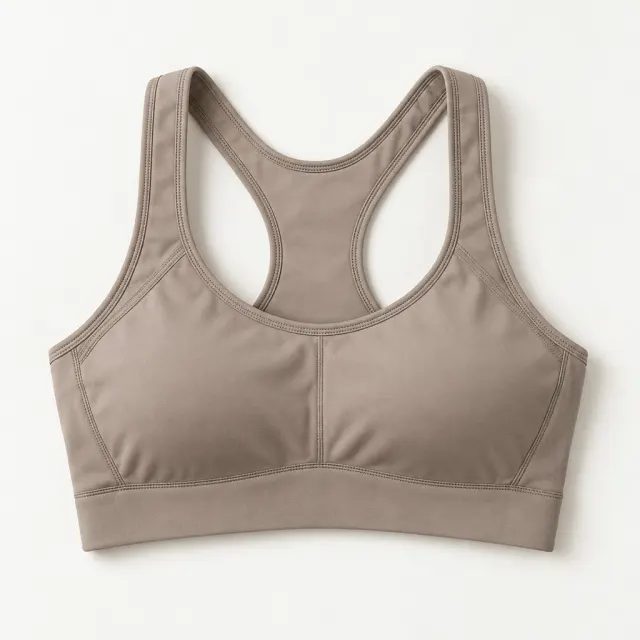
Sports bra
A sports bra is built to limit movement during exercise. Brands usually rate them for low, medium or high impact. Low impact suits yoga and walking. High impact is for running and jumping.
Designs vary widely, from wireless pull-on styles to bras with structured cups and wires. Supportive bands and racerback straps are common. Fit matters more here, not less, so a band and cup sized sports bra is worth considering for high-impact use.
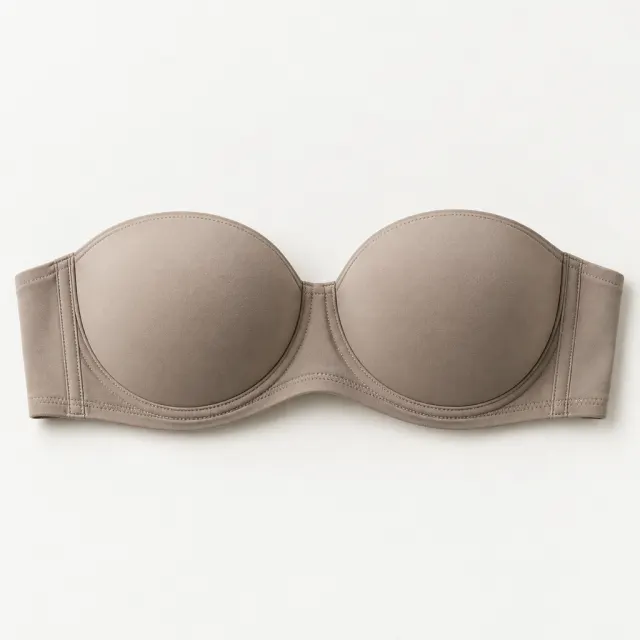
Strapless
A strapless bra relies on the band and the cups alone, with no shoulder straps or with removable ones. With no straps to help, the band carries all the support.
It is the answer for strapless dresses, off-shoulder tops and special occasions. Because the band does all the work, the fit has to be firm and level. If a strapless bra slips but the cups fit, a sister size with a smaller band is worth trying.
Minimizer
A minimizer uses wider cups and side panels to spread the bust’s volume and reduce how far it projects. People who choose one often want a smoother line under fitted shirts, or to stop buttons pulling across the chest.
A minimizer changes shape, not size. You buy it in your normal band and cup.
Push-up
A push-up bra uses padding or angled cups to lift the bust upward and inward and create more cleavage. It is a style choice for particular outfits rather than an everyday support bra.
Push-ups are the riskiest type of bra to buy as a surprise. The padded, molded cup only works when the size and the shape both match. If you are buying for someone else, skip this one unless she has asked for it.
Lined, unlined and seamed cups
Across all these types, cup construction makes a big difference:
- Molded or lined cups hold a fixed shape and give a smooth line under clothes.
- Unlined cups are fabric only. They feel lighter and show more natural shape.
- Seamed cups are made from two or three panels sewn together. They can follow different breast shapes more closely than a single molded piece.
If molded bras often gape on you, a seamed style in the same size is worth a try. The how a bra should fit explains how to tell a size problem from a shape problem.
Choosing a type
Start with what the bra needs to do:
- Under a fitted t-shirt: t-shirt bra.
- Wide or square neckline: balconette.
- Deep V: plunge.
- All-day support: full-cup.
- Comfort and lounging: bralette.
- Exercise: sports bra rated for the activity.
- Bare shoulders: strapless.
- A smoother, flatter line: minimizer.
- A particular look for a particular outfit: push-up.
Then find the size. If you are not sure of it, measure first. Many people own a mix of types and wear slightly different sizes in some of them.
Buying a type of bra as a gift
If you are shopping for a partner, the style you pick decides how much risk you take. A soft bralette in S, M or L is the safe end. A full-cup or t-shirt bra in a size taken from a bra that already fits her is reasonable. A push-up, a strapless bra or a sports bra for high impact is a fit job she should do herself.
When in doubt, a gift card or a fitting appointment lets her choose the type and the size. The gift guide lists safe options for every level of certainty.
Dressing for something specific? See what to wear under a backless dress, a strapless bra that stays up and the sports bra size chart. Style also depends on shape; breast shape types matches shapes to styles.
Sources & method: sizing rules follow the standard band-and-cup system used by UK, US, AU and EU brands, checked against fitting guides from specialist retailers and fitting communities. How we work.